.jpg)

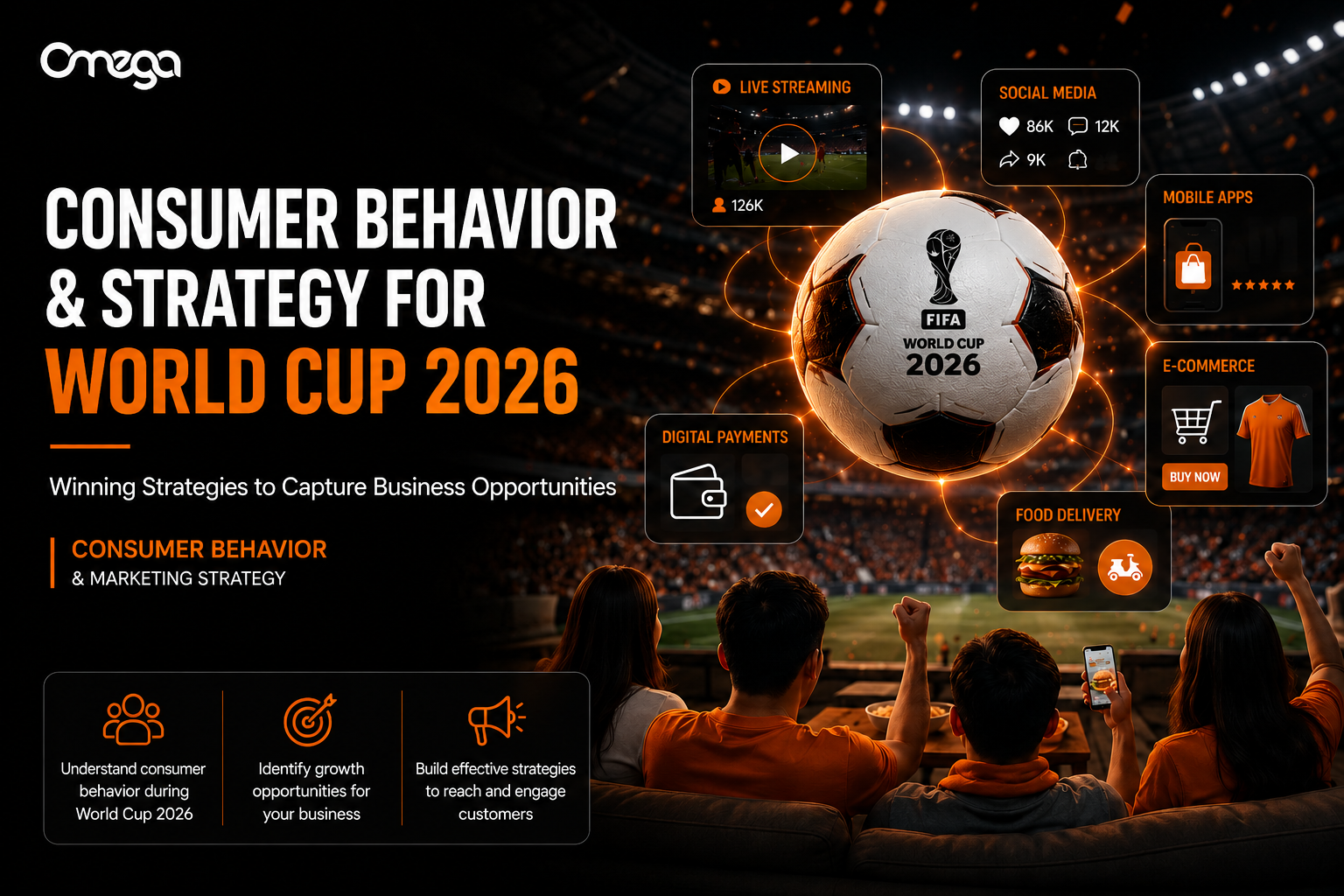
The FIFA World Cup 2026 is widely regarded as the first truly digital-first mega sporting event in history. Expanded to 48 national teams, the tournament is expected to attract 5-6 billion viewers worldwide, making it the largest sporting event ever staged.
For marketers, this represents an extraordinary opportunity. Industry forecasts estimate an additional $10.5 billion in advertising spending during the tournament quarter alone. However, in an era where consumer attention is increasingly fragmented, understanding FIFA World Cup 2026 consumer behavior and implementing a multi-stage marketing strategy will be essential for brands hoping to stand out amid the overwhelming media landscape.
 1. The Digital Era: FIFA World Cup 2026 as a Marketing Goldmine
World Cup 2026 marks a significant shift from traditional mass advertising toward a digital ecosystem powered by personalization and AI.
A Younger, More Digital Audience
According to Nielsen, 76% of football fans belong to the Millennials and Gen Z generations, with 64% preferring brands that are official tournament sponsors. These digitally native audiences expect authentic, personalized, and interactive experiences rather than conventional advertising.
The Explosion of Digital Football Content
The rapid growth of digital platforms has fueled a 453% increase in global football video consumption over the past five years, creating unprecedented opportunities for brands to engage audiences through creative content.
Unlike previous tournaments such as Russia 2018 or Qatar 2022, FIFA World Cup 2026 will be defined by the rise of Retail Media and AI-powered personalization. Instead of competing solely for television airtime, brands are now racing to capture countless mobile micro-moments, where fans actively interact with content while watching matches.
2. Before the tournament: Building anticipation and trust
2.1. Consumer Behavior: Authenticity Matters More Than Ever
Approximately six months before kickoff, football fans begin searching for qualification results, predicted lineups, tournament analysis, and championship forecasts.
At this stage, consumer psychology is heavily influenced by community discussions and social engagement.
According to Brand Lens, 88% of consumers consider authenticity a critical factor when choosing brands. Today's audiences are no longer satisfied with polished advertisements—they want to participate in storytelling, share pre-match rituals, and express their personal fandom.
2.2. Marketing Strategy: Gamification and User-Generated Content (UGC)
To maximize engagement before the tournament, brands should focus on:
- Launching prediction contests and score-guessing games
- Creating reward-based gamification campaigns
- Encouraging user-generated content (UGC) through TikTok and Instagram Reels challenges
- Designing branded filters, hashtags, and music templates
- Collaborating with influencers, football creators, and athletes to share exclusive behind-the-scenes content
These initiatives not only build excitement but also generate valuable first-party customer data before advertising competition reaches its peak.
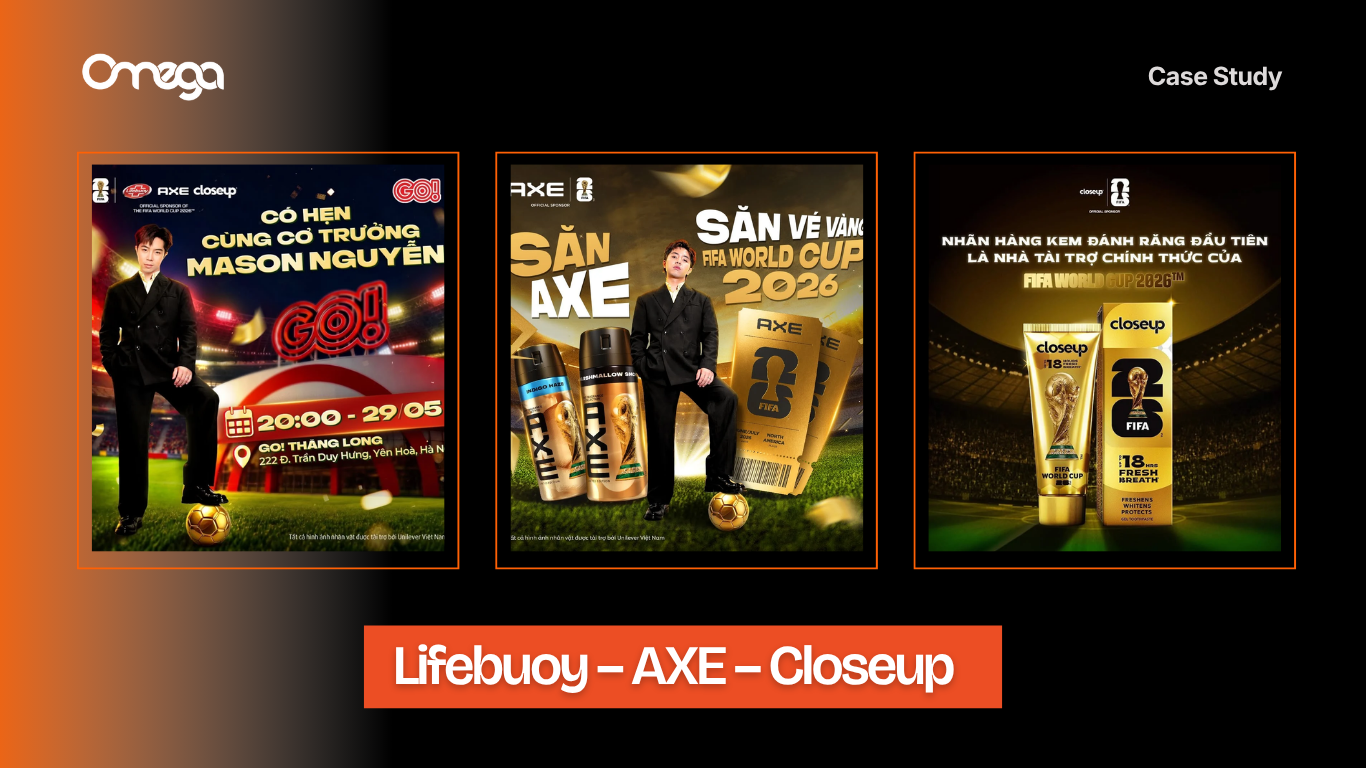
Case Study: Unilever Vietnam
Ahead of the tournament, Unilever Vietnam leveraged FIFA World Cup 2026 as a shared promotional platform across multiple men's personal care brands.
Consumers purchasing three selected products received entries for a chance to win official World Cup tickets in North America.
Meanwhile:
- AXE introduced a limited-edition collection inspired by the iconic FIFA World Cup Trophy.
- Closeup launched a special gold gel toothpaste alongside FIFA-themed stickers, plush toys, and interactive mini-games.
By combining promotional campaigns, exclusive products, and fan engagement activities, Unilever successfully captured consumer attention months before kickoff.
 3. During the Tournament: Winning the Second-Screen Battle
3.1. Consumer Behavior: Real-Time Engagement
Once the tournament begins, fan behavior becomes highly dynamic and event-driven.
Research by Teads reveals that 56% of football fans use a second screen typically a smartphone or tablet while watching matches.
Instead of being a distraction, mobile devices become the primary channel for:
- Live social media discussions
- Online shopping
- Food delivery
- Sports betting
- Fantasy football participation
Consumers are also 49% more likely to make purchases when exposed to consistent messaging across television, social media, and mobile apps.
Food delivery platforms, betting applications, and e-commerce marketplaces typically experience significant spikes in downloads during the opening week of the tournament.
3.2. Marketing Strategy: Real-Time Marketing and Retail Media
During the competition, successful brands rely on speed and relevance.
Key strategies include:
Real-Time Marketing: brands should automatically optimize bidding strategies and creative assets whenever significant match events occur, including: Goals, red cards, penalty shootouts and extra time
Retail Media activation: deploy shoppable advertisements directly connected to live match events. For example: "Argentina just scored! Enjoy 20% off your group meal order for the next 30 minutes."
Social Media war rooms: dedicated content teams should monitor every match in real time, rapidly producing memes, highlight reactions, and culturally relevant posts while conversations are trending.
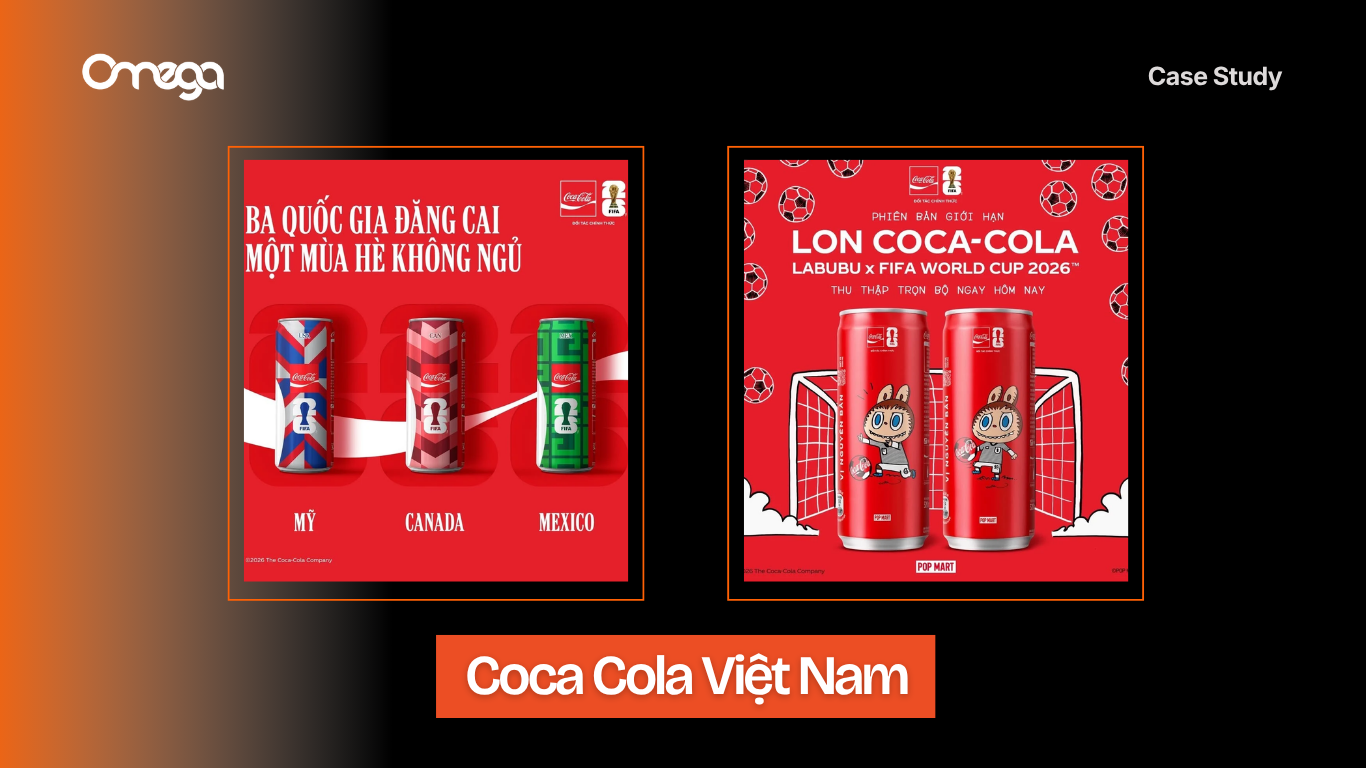
Case Study: Coca-Cola Vietnam
As a long-term FIFA Tier 1 Partner, Coca-Cola Vietnam successfully dominated consumer attention throughout the tournament.
Its campaign featured emotional short films capturing the excitement before kickoff and the unforgettable moments during matches.
To capture younger audiences on their second screens, Coca-Cola collaborated with Pop Mart to release a limited-edition Labubu x FIFA World Cup 2026 collection, alongside collectible cans inspired by the tournament's three host nations: United States, Canada and Mexico.
By integrating one of today's most popular pop culture phenomena into football marketing, Coca-Cola successfully expanded beyond football enthusiasts to engage a broader Gen Z audience.
 4. After the Tournament: Turning Fans into Loyal Customers
4.1. Consumer Behavior: The Retention Phase
Although tournament excitement naturally declines after the final, newly formed consumer habits often remain.
Research shows that users continue using applications installed during the tournament for an average of 39 days, provided those experiences continue delivering value.
At this stage, marketing priorities shift from User Acquisition to Customer Retention. Consumers who actively participated throughout the tournament expect recognition, personalized communication, and exclusive post-event experiences.
4.2. Marketing Strategy: Sustaining Community Engagement
Effective post-tournament strategies include: highlight content and publish such as tournament recap videos, personalized fan journey summaries, data visualizations and thank-you campaigns
Loyalty Programs: leverage customer data collected during the tournament to deliver personalized promotions, exclusive rewards, and long-term membership benefits.
Product Updates: technology companies and digital services should continuously introduce new features and fresh content immediately after the tournament to reduce app uninstall rates.
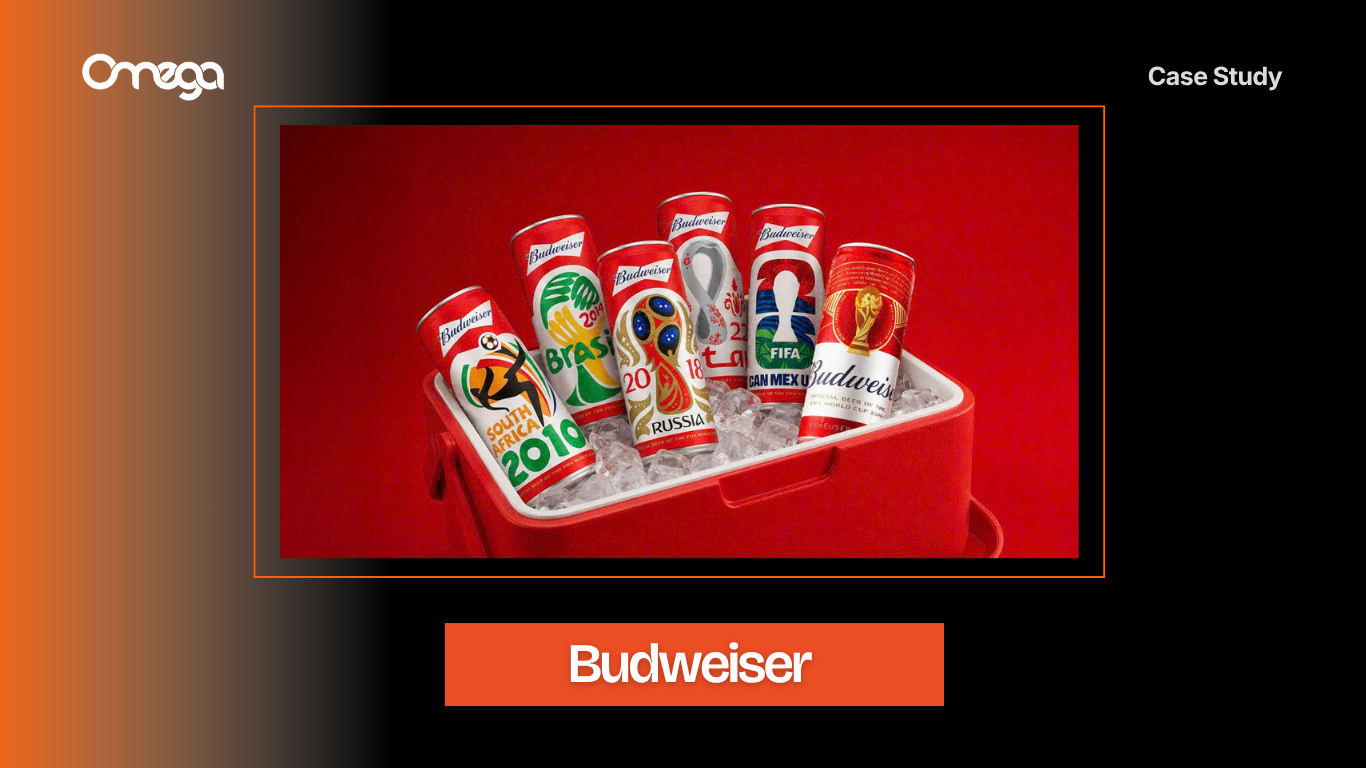
Case Study: Budweiser
Rather than focusing solely on short-term promotions, Budweiser adopted a long-term brand-building approach centered around football heritage.
The brand released a limited-edition series of six collectible cans celebrating iconic FIFA World Cup moments from 2010 through 2026, accompanied by the campaign slogan:
"Open a Bud Red. Celebrate Every Legendary Moment."
To maintain momentum after the tournament concluded, Budweiser continued engaging consumers through interactive mini-games on Zalo Official Account (OA).
This strategy successfully transformed temporary tournament excitement into sustained digital engagement and long-term brand loyalty.
 Conclusion
The FIFA World Cup 2026 represents one of the greatest marketing opportunities of the decade. Brands that succeed will be those that: Start planning months in advance, put fans at the center of every campaign, deliver authentic and interactive experiences, react instantly to live match moments and continue nurturing customer relationships long after the final whistle.
Rather than treating the World Cup as a one-month advertising campaign, forward-thinking businesses should view it as a complete customer journey from awareness and engagement to conversion and long-term loyalty.
Ready to maximize your brand's growth during FIFA World Cup 2026?